
Headaches and migraines are more than just a nuisance—they can significantly impact your daily life. While many people focus on the neck and head as the primary culprits, the mid-to-upper back (thoracic spine) plays a crucial role in both the prevention and management of headaches. At Total Balance Healthcare, we’re here to help you understand how improving mobility and flexibility in this area can lead to long-term relief.
The Connection Between the Thoracic Spine and Headaches
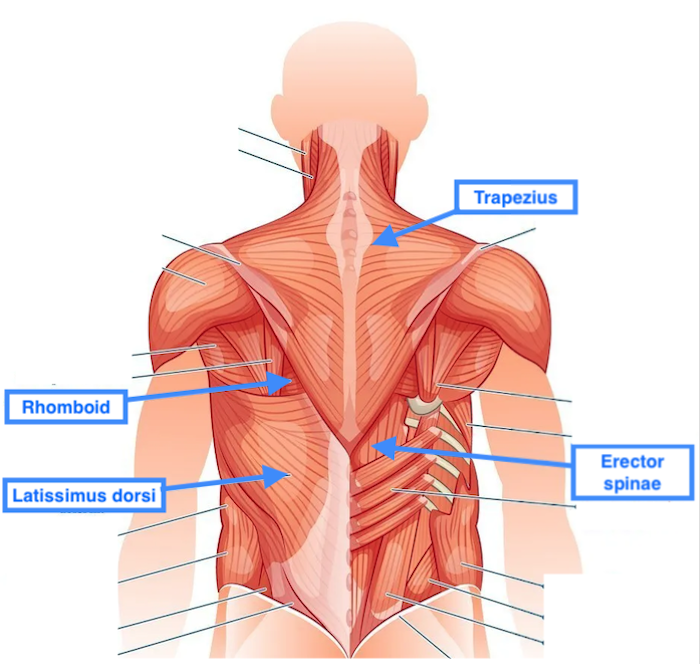
Lets talk specifically about the mid to upper back, also known as the thoracic spine. The thoracic spine is the middle part of the spine, which begins at the bottom of the neck and runs down to the bottom of your ribs. The muscles in this area help to provide stability through the trunk, but also have a lot to do with maintaining posture and keeping you upright. Certain muscles through this region attach up into the neck and head. They include the trapezius, rhomboid, latissimus dorsi, and the erector spinae muscles – all pictured below.
How to Improve Mid-Back Mobility
The good news? There are simple, effective ways to improve mid-back mobility and reduce the likelihood of headaches. Here are some steps you can take:
1. At-Home Mobility Exercises
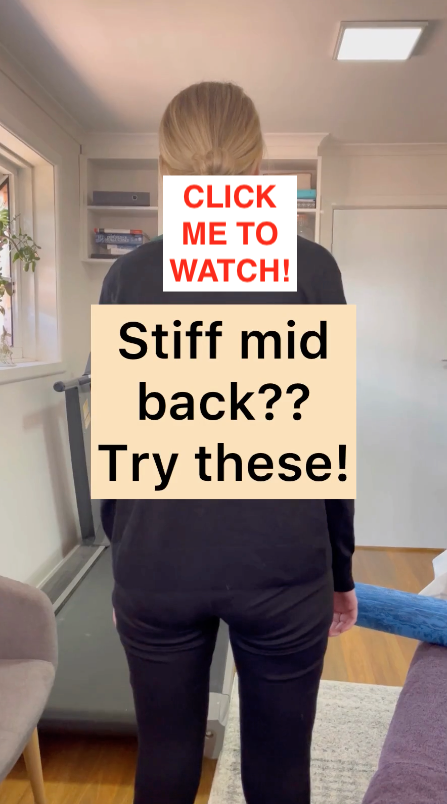
Daily mobility exercises can work wonders for releasing tension in the thoracic spine. These exercises focus on loosening up the joints and muscles, promoting better posture and movement. Check out the video by our osteopath Loz, where she demonstrates easy-to-follow mobility exercises you can do at home.
2. Foam Rolling and Spikey Balls
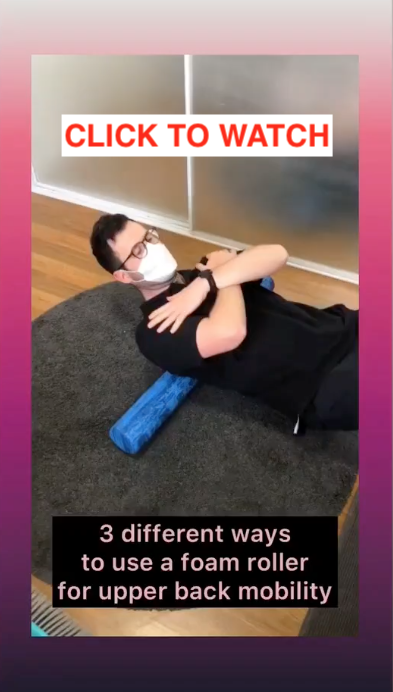
Using tools like foam rollers and spikey balls can help release stiffness and tightness in the mid-back. Our osteopath Dan has put together a video showcasing three foam rolling techniques to target the thoracic spine effectively. These tools are a great way to manage tension and improve flexibility.
3. Regular Osteopathic Treatment
If you’re experiencing persistent headaches or migraines, seeing an osteopath can provide targeted relief. Osteopathic treatment focuses on improving joint mobility, releasing muscle tension, and addressing the root cause of your discomfort.
Here are some easy, at-home mobility exercises which you can do each day. Have a look at how easy these exercises are below, in the video by our osteopath Loz!
Another great way to improve mobility through our mid-to-upper backs, is to use tools such as a spikey ball or a foam roller. In the video below we show you 3 different ways to use a foam roller to help manage stiffness through the thoracic spine.
Why Mid-Back Mobility Matters for Headache Prevention
By improving mobility through the thoracic spine, you can:
- Reduce Muscle Tension: Loosen tight muscles that contribute to headaches.
- Enhance Joint Function: Promote better movement in the mid-back and neck.
- Improve Posture: Prevent strain on the neck and head caused by poor posture.
- Prevent Headaches: Address one of the lesser-known contributors to headache pain.
You Can Take Control of Your Headaches
If you’ve been struggling with headaches or migraines and notice stiffness in your mid-to-upper back, incorporating these exercises into your daily routine can make a big difference. At Total Balance Healthcare, we’re big advocates of practicing what we preach—you’ll often find our osteopaths doing these exercises during breaks to prevent back soreness and headaches!
If you have any questions about headaches or migraines, or are wanting to see one of our osteos to get on top of your regular headaches once and for good, give us a call at the clinic on (03) 9773 8085 or book an appointment online.
Have a great week!
✌️
The Team @ Total Balance Healthcare
LET’S GET SOCIAL!!!!


This blog post is an educational tool only. It is not a replacement for medical advice from a registered and qualified doctor or health professional.
Phone: (03) 9773 8085


