
Kids and broken bones. One of our worst thoughts when kids hurt themselves.
Over the holiday periods we tend to see a lot of children (and some adults) come into the clinic after they have fractured a bone. Interestingly people use the term “fracture” and “break” interchangeably (they pretty much are describing the same thing), but people tend to change the language they use based on the severity of the fracture.
Fractures need to be medically managed usually at hospital in the fracture clinic. In most cases a plaster cast or fibreglass cast is used to immobilise the bone and allow for healing. In some other cases, surgery may be required to repair the fracture and hardware like screws and plates may be required to stabilise the area.
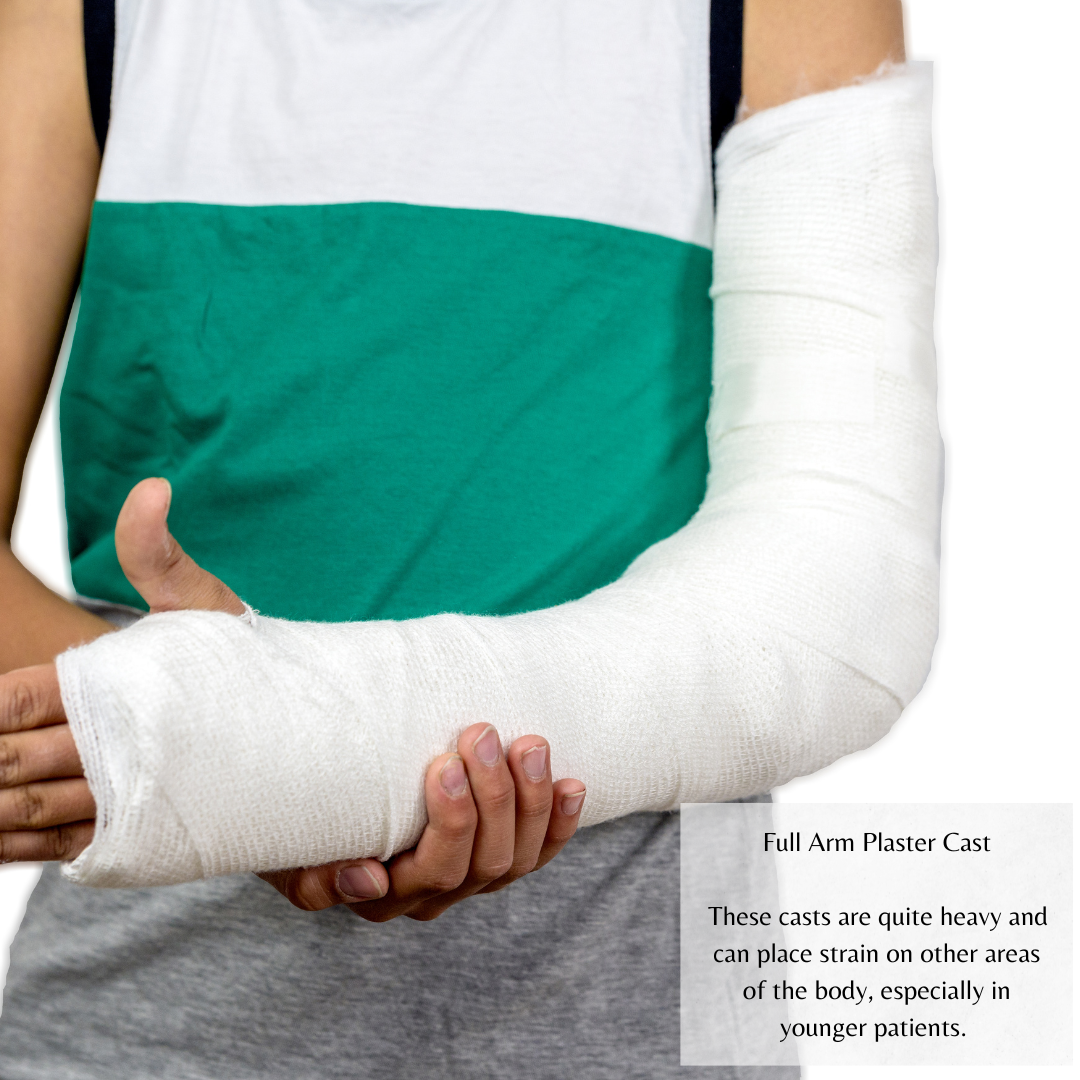
Having to lug around a cast whilst the fracture is healing can place strain on other areas of the body, and this is especially the case in our younger patients. For example a young kid who has broken their forearm and now has a relatively heavy plaster cast on may start to get some discomfort in the shoulder, neck or mid back. Osteopathic treatment is able to address these other areas of discomfort all whilst the fractured area is still in the cast.
Understanding Post-Fracture Recovery: The Role of Osteopathic Care
Where we think osteopathy can play a significant role in fracture management, is during the critical phase after a cast is removed. While the initial stages of fracture healing often involve immobilisation, the recovery process doesn’t end once the cast is off. Many patients are left with reduced range of motion, decreased muscle strength, stiffness and even issues with confidence with using the previously fractured area.
Osteopaths are able to support patients in this phase through:
Improving Joint Mobility:
After prolonged immobilisation, joints can become stiff and hypomobile. Osteopaths aim to restore normal range of motion by using considered, targeted techniques that help patients regain their flexibility and strength. All of this is done whilst taking the patient’s confidence levels into account.
Muscle Strengthening Strategies for Post-Fracture Rehabilitation
This aspect of post fracture healing is very important. Muscles around the fractured area often weaken when not in use whilst immobilised. The prescription of rehabilitation exercises to rebuild strength are required, thus helping to regain full functional use of the area and to help prevent further injury.
Managing Pain and Discomfort After Cast Removal
Osteopaths can apply soft tissue techniques and manual therapy to reduce residual pain, swelling, and discomfort that can persist after the cast is removed.
Osteopathy for Children: Addressing Fracture-Related Discomfort
Following prolonged casting and immobilisation there still may be certain activities that the patient needs to be careful of. Our osteopaths are able to give guidance on what someone can and can’t do after having their cast removed, all whilst working with the advice from the fracture clinics.
If you would like to learn more or discuss how osteopathic care at TBHC can be integrated into your post-fracture recovery, please call the clinic on 9773 8085. We are always happy to have a chat in order to discuss the ways we can best help you.
✌️
The Team @ Total Balance
LET’S GET SOCIAL!!!!


This blog post is an educational tool only. It is not a replacement for medical advice from a registered and qualified doctor or health professional.
Phone: (03) 9773 8085


