
Painful penetration, also known as dyspareunia, is a common but often overlooked issue that many women experience, particularly in the postpartum period. Whether you’ve delivered your baby vaginally or via caesarean, this symptom can significantly affect your quality of life. At Total Balance Healthcare, our pelvic health osteopaths are here to help you navigate and manage this condition effectively. Let’s explore the causes, types, and how osteopathy can provide relief.
Painful Intercourse
Painful intercourse (also known as dyspareunia) refers to pain in the genital region before, during, or after intimacy. Around 75 percent of women have painful intercourse at some time, according to the American College of Obstetricians and Gynecologists (ACOG). This is such a high number! Painful intercourse can be broken down to:
- Entry level pain – intraorbital or superficial dyspareunia (often described as pain at the vaginal opening)
- Deep pain – collision dyspareunia (pain felt deep within the pelvis)
- Primary pain: is pain you’ve had since becoming sexually active.
- Secondary pain: develops after experiencing pain-free sex previously
- Complete pain: means you feel pain every time you have sex
- Situational pain: is when the pain only happens at certain times
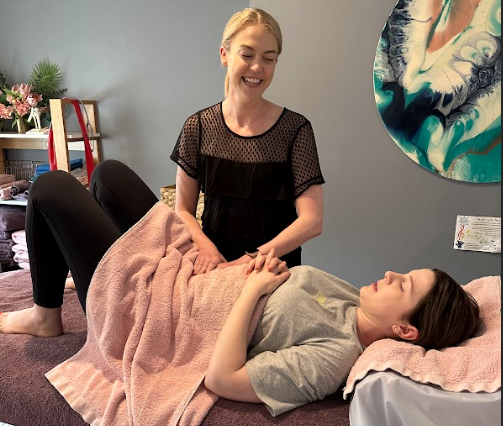
10 reasons you may feel pain during intercourse or penetration
- Fungal or bacterial infections such as thrush or UTI’s
- Sexually transmitted infection (STIs)
- Pelvic inflammatory disease
- Vaginismus – involuntary spasms of your pelvic floor muscles
- Vulvodynia – chronic pain in the vulval region
- Reduced lubrication levels – vaginal dryness
- Endometriosis
- Skin irritants – latex condoms or products marketed at cleaning the vagina etc.
- Anatomy – tilted uterus or penis shape and size
- Mental health conditions
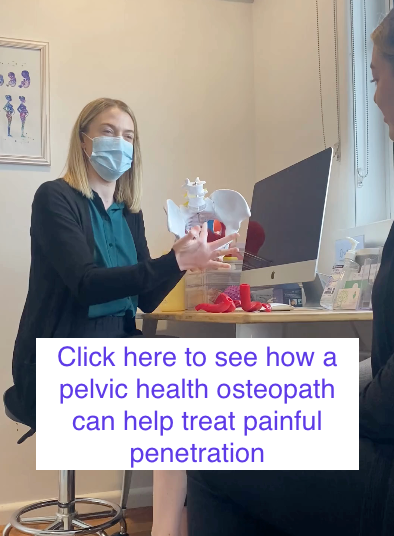
So how can my pelvic health osteopath help?
- An opportunity for you to debrief your birth with us
- Referral to pain specialist or psychologist if required
- Gentle hands on treatment to the pelvis and surrounding structures (including the option of an internal treatment to the pelvic floor) which may be contributing to pain
- Specific exercises to promote long term pelvic health
- Lifestyle modifications and advice specific to each patient
You’re Not Alone—
Unfortunately we see more of this than we would like. Painful penetration is a sensitive but important topic to address. Whether you’re experiencing discomfort postpartum or at any stage of life, our Pelvic Health team at Total Balance Healthcare is here to support you with compassionate care and evidence-based treatments.
If you have any questions about pelvic health osteopathy, painful penetration, or how we can help with pelvic pain, don’t hesitate to reach out. Call us on (03) 9773 8085 or book an appointment online.
✌️
The Team @ Total Balance Healthcare


