
As a parent, noticing something unusual about your baby’s neck or head shape can be concerning.
Two common conditions we often see in babies are torticollis and flat spots on the skull. While these may seem alarming, they are usually manageable with the right care and guidance. Let’s dive into what these conditions are, why they happen, and how we can help.
What is Torticollis?
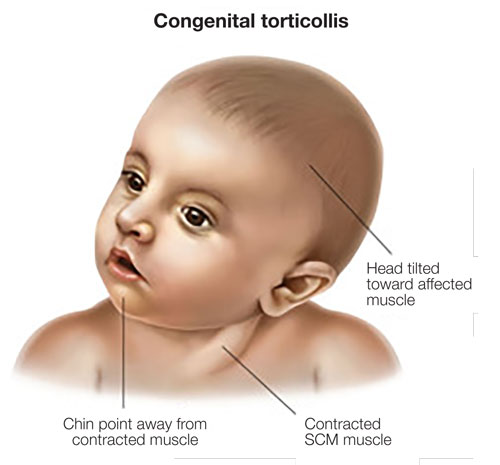
Torticollis occurs when the muscles in the neck spasm, causing the neck to twist or bend in one direction. In babies, this can happen due to:
- Being cramped in the uterus during pregnancy.
- Being in a breech position, leading to prolonged pressure on certain muscles.
The muscle most commonly affected is the Sternocleidomastoid (SCM), which can become tight and cause the baby’s head to tilt or turn to one side. While it may look uncomfortable, most babies with torticollis do not experience pain and respond well to gentle osteopathic treatments aimed at releasing this tightness.
What Causes Flat Spots on a Baby’s Head?
A baby’s skull is incredibly flexible and mouldable, especially in the first few years of life. This is due to the presence of fontanelles (soft spots) that allow the skull to adapt during birth and early development.
It’s normal for babies to have an unusual head shape at birth, such as a cone shape, due to their position in the womb or moulding during labour. Over time, most head shapes will naturally correct themselves.
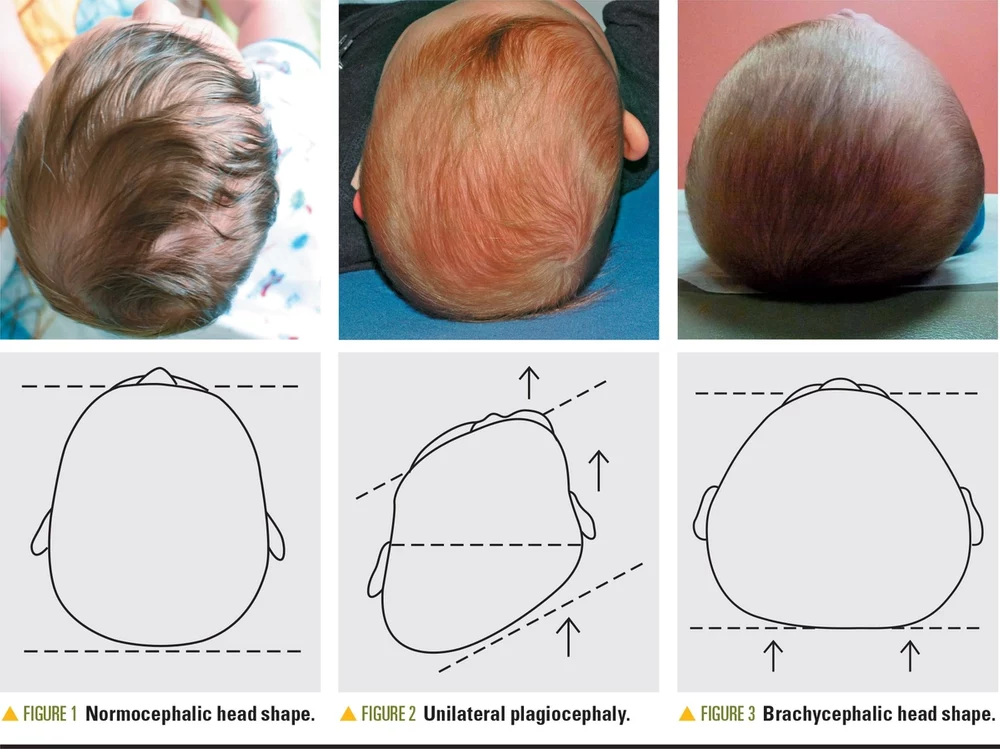
However, some babies may develop flat spots due to prolonged pressure on one area of the skull. This is known as:
- Plagiocephaly: Flattening on one side of the head, often linked to a baby’s preference for looking in one direction (potentially due to torticollis).
- Brachycephaly: Flattening across the back of the head.
How Can Paediatric Osteopaths Help?
The good news is that flat spots are purely cosmetic and do not impact brain development. However, they can affect the physical appearance of the skull and facial features.
Babies with torticollis or flat spots may also experience tightness or stiffness in their backs, which can make activities like tummy time, feeding, or sitting in a car seat uncomfortable. This is where paediatric osteopaths can step in.
Using gentle, hands-on techniques, we can:
- Improve mobility in the neck and back.
- Reduce muscular tightness.
- Address any discomfort that may be affecting your baby’s daily activities.
Tips to Prevent or Manage Flat Spots at Home
In addition to osteopathic treatment, there are several simple strategies you can use at home to help prevent or reduce flat spots:
- Tummy Time: Encourage plenty of tummy time throughout the day. This helps reduce the amount of time your baby spends lying on their back.
- Encourage Head Movement: Use mirrors, windows, or your face to entice your baby to look in both directions during their awake time.
- Switch Sleeping Positions: Alternate the end of the cot where your baby sleeps or change the cot’s position in the room. This encourages your baby to turn their head in different directions.
- Vary Holding Positions: Carry your baby in different ways to reduce pressure on the back of their skull and give them new perspectives to look at.
- One-on-One Interaction: Engage your baby with plenty of eye contact and interaction to encourage natural head movement.
What If Your Baby Doesn’t Enjoy Tummy Time?
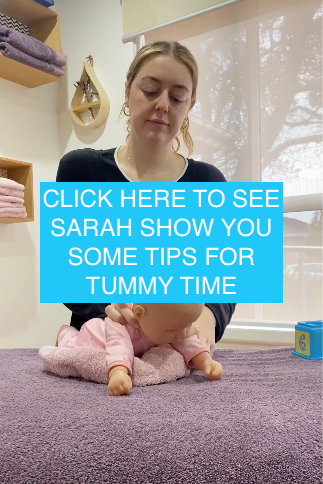
If your baby isn’t a fan of tummy time, you’re not alone! Many parents face this challenge. We’ve created a helpful video with tips to make tummy time more enjoyable for your little one. The more they enjoy it, the more time they’ll spend off their back, reducing the risk of flat spots.
Want to Learn More?
For a deeper dive into flat spots and neck restrictions, check out the blog written by our osteopath, Simmone, on our website. It’s packed with valuable insights and advice.
If you’re concerned about your baby’s neck or head shape, or if you simply want guidance from one of our paediatric osteopaths, we’re here to help. Give us a call at (03) 9773 8085 or book an appointment online.
✌️
The Team @ Total Balance
LET’S GET SOCIAL!!!!


This blog post is an educational tool only. It is not a replacement for medical advice from a registered and qualified doctor or health professional.
Phone: (03) 9773 8085


